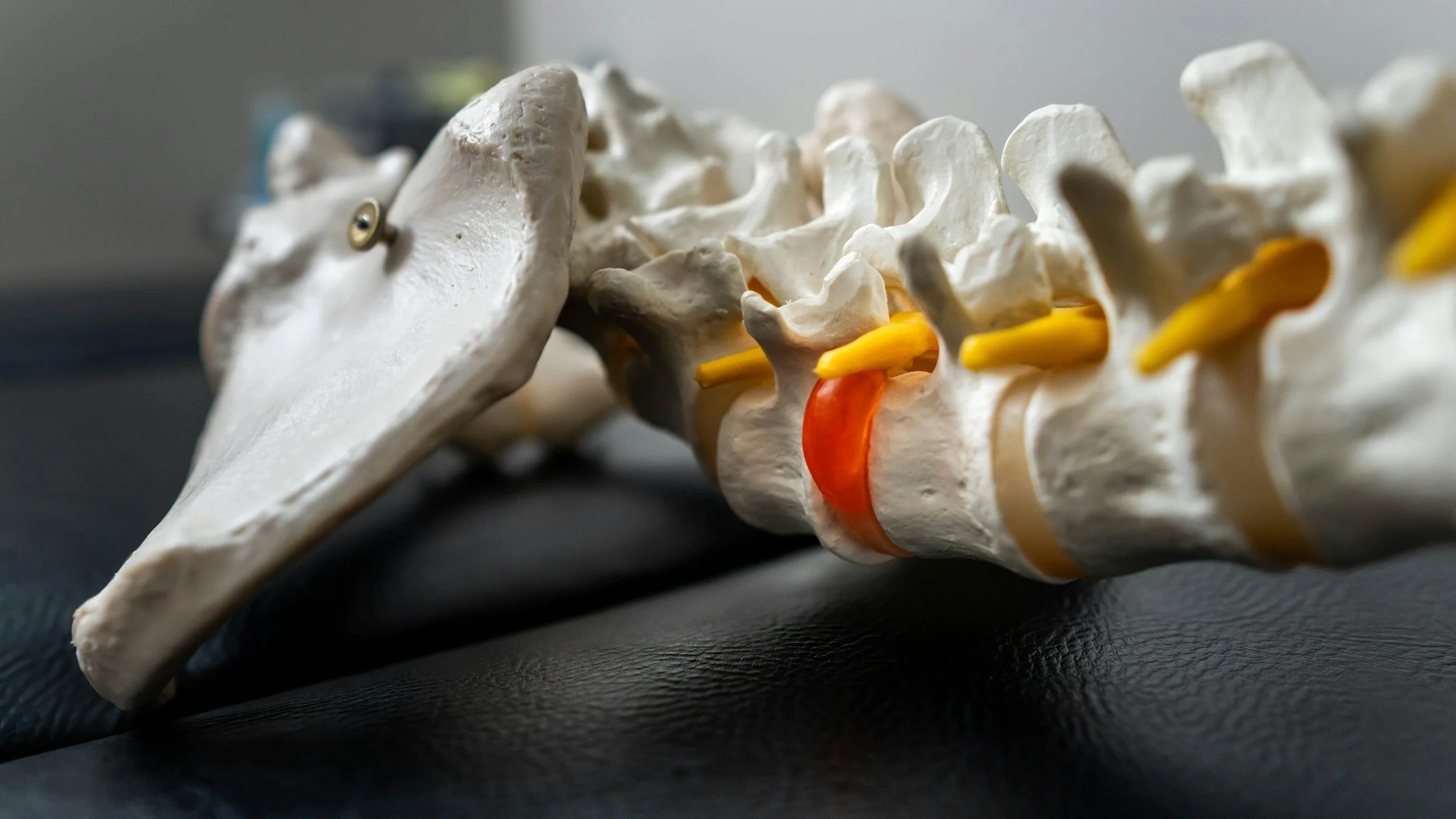
Osteopractic Physical Therapy
Osteopractic Physical Therapyis an approach to care, a sub-specialty within physical therapy, and more accurately describes the kind of physical therapy services (rather than simply “physical therapy”) offered so the public, opotential patients and colleagues alike, can identify the appropriate practitioner of choice for the condition in question.
When you break a bone, you look for an orthopedist, not just a general medical doctor. When you have a skin condition, you go to the dermatologist. Or when your child needs medical care, you look for a pediatrician. Likewise, when you have neck pain, low back pain, headaches, tennis elbow, heel pain, carpal tunnel syndrome, knee osteoarthritis, shoulder impingement, or joint pain etc., it makes sense to look for a specialist–an Osteopractic Physical Therapist or Osteopractor–not a generalist, within physical therapy that is specifically trained and has advanced post-graduate qualifications to treat those conditions.
An Osteopractor is a physical therapist, medical doctor, or doctor of osteopathic medicine that has completed an evidence-based post-graduate training program in the use of spinal and extremity thrust manipulation, ultrasound-guided dry needling, instrument-assisted manual therapies, and differential diagnostics for the diagnosis and treatment of neuromusculoskeletal conditions.
Dry needling
Dry needling is a skilled intervention that involves insertion of thin, sterile, disposable filiform needles into myofascial trigger points, taut bands, or tight bands of muscles and connective tissues.
A trigger point is a sensitive spot in a taut band of skeletal muscle that becomes painful on compression, stretch, overload or contraction of the tissue which usually responds with a pain that felt in a location away from the actual trigger point.
Unlike acupuncture, which is rooted in traditional Chinese medicine which focuses on balancing the flow of energy or “Qi” along meridian pathways throughout the body, dry needling is based on Western medical principles and focused on the neuromuscular system to manage musculoskeletal pain, which can lead to movement impairments and difficulties with muscle contraction.
In certain situations, such as acute strains, chronic myofascial pain, and challenging stiff joints, dry needling can often yield quicker results compared to many conventional treatment methods
Benefits of Dry needling
Offers Rapid Pain Relief
One of the main advantages of dry needling is its ability to deliver quick pain relief, often achieved in a single session for both chronic and acute conditions
Improves Range of Motion
By releasing tension in tight muscles, dry needling has also been shown to improve joint flexibility and overall movement
Faster Recovery in Athlets
Dry needling is an effective technique for reducing symptoms of delayed onset muscle soreness (DOMS), deactivate trigger points, restore muscle imbalances, and facilitating tissue repair. This approach allows athletes to recover more quickly and resume their physical activities.
Reduces Inflammation: It can decrease inflammation in the affected areas, alleviating chronic pain conditions
Good outcomes in Chronic Pain Conditions
Dry needling may have a significant impact on central pain processing in patients with chronic pain. Research indicates that this technique can decrease cortical excitability and mitigate overactive pain pathways. The effectiveness of dry needling is attributed to its ability to lower levels of substance P and calcitonin gene-related peptide (CGRP), enhance descending pain inhibition, and reduce markers of both peripheral and central sensitization
What is Cupping Therapy?
Cupping therapy is an ancient healing method that uses a vacuum force created beneath a small vessel placed on the skin's surface. In contrast to a massage, where therapist applies pressure either downward or across the skin's surface, cupping therapy exerts forces that pull upward and away from the body. The suction effect draws the skin, fascia and the superficial muscle layer into the cup, resulting in a localized increase in blood circulation. The cups can be left in place for a designated period (static cupping) or moved across the areas of the body that need to be treated (dynamic cupping). Additionally, in some cases, the therapist may instruct the patient to perform specific movements while the cups are applied.
One of the main benefits of cupping therapy is that it offers relief from musculoskeletal pain and muscular tension, particularly for patients with chronic back pain in the lumbar and cervical regions. Cupping therapy may also provide relief for various conditions, including rheumatoid arthritis, carpal tunnel syndrome, tension headaches, shingles, fibromyalgia and more. Cupping is also commonly used by elite athletes in sports recovery.
Benefits of Cupping Therapy
Improves local blood flow
Relieves muscle pain
Resolve myofascial tightness
Improves joint movement
Supports muscle recovery
Cupping therapy is generally safe for the majority of individuals and is most effective when used as a complementary treatment alongside other therapeutic approaches